

What Is an Abrasion?
An abrasion is a type of superficial skin injury that happens when the skin is scraped or rubbed against a rough surface. You may also hear an abrasion called a scrape or graze.
Abrasions commonly happen after falling on pavement, sliding on a sports field, bumping against a rough surface, or having the skin rubbed repeatedly. Because the outer layer of skin is damaged, an abrasion may look red, raw, or pink and can cause pain, stinging, or minor bleeding.
Most minor abrasions can be treated at home with basic first aid. The most important goals are to clean the wound, protect it from further irritation, and watch for signs of infection.
Important: This article is for general information about minor abrasions. Large, deep, heavily contaminated, or infected wounds may require professional medical care.
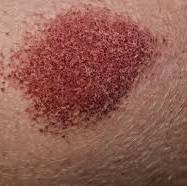
What Does an Abrasion Look Like?
A minor abrasion may have:
- Red or pink skin
- A raw or scraped appearance
- Mild swelling
- Tenderness or stinging
- A small amount of bleeding or oozing
- Dirt or tiny pieces of debris in the wound
What Causes Abrasions?
Abrasions are usually caused by friction against the skin. Common causes include:
- Falling on pavement or concrete
- Sports injuries
- Bicycle or skateboard accidents
- Sliding or crawling on rough surfaces
- Work-related accidents
- Repeated rubbing from equipment or clothing
Children are particularly likely to get scrapes while playing, running, or riding bikes.
How to Treat an Abrasion: Step-by-Step
For a minor scrape, following a few simple wound-care steps can help keep the area clean and support normal healing.
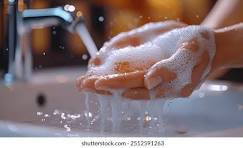
1. Wash Your Hands
Before touching the abrasion, wash your hands thoroughly with soap and water.
Clean hands help reduce the chance of introducing additional germs into the wound.
2. Stop Any Bleeding
Most minor abrasions either do not bleed much or stop bleeding on their own.
If the wound is bleeding, apply gentle, steady pressure with clean gauze or a clean cloth. If necessary, raise the injured area while applying pressure.
If bleeding does not stop after about 10 minutes of firm, continuous pressure, seek medical care.
- Rinse the Abrasion With Clean Water
Gently rinse the scrape with clean running water to remove dirt and debris.
You can wash the skin around the wound with mild soap, but avoid getting soap directly into the wound if it causes irritation.
Avoid using hydrogen peroxide or iodine directly on a minor wound unless a healthcare professional specifically recommends it, because these products can irritate damaged tissue.
- Remove Loose Dirt and Debris
If you can see small pieces of dirt or debris, they may be gently removed with clean tweezers.
Do not dig into the wound or attempt to remove material that is deeply embedded. If significant debris remains trapped in the abrasion, contact a healthcare professional.
- Apply a Thin Protective Layer
For many minor abrasions, a thin layer of petroleum jelly can help keep the wound surface from becoming excessively dry.
Some people use an antibiotic ointment, but antibiotic ointments can cause skin irritation or allergic reactions in some individuals. Follow the product directions and stop using it if a rash develops.
- Cover the Abrasion
Place a clean, non-stick bandage or dressing over the scrape.
Keeping an abrasion protected can help prevent dirt and bacteria from reaching the wound while also reducing friction from clothing or daily activities.
- Change the Bandage Regularly
Change the dressing at least once a day, or sooner if it becomes wet or dirty.
Before applying a new dressing, wash your hands and gently clean the wound as needed.
How Long Does an Abrasion Take to Heal?
Healing time depends on the size and depth of the abrasion.
Small, superficial scrapes often heal relatively quickly, while larger or deeper wounds may take longer. During normal healing, the body forms new tissue and new skin gradually grows over the injured area.
Try not to pick at a scab or repeatedly scratch the wound. Doing so can interfere with healing and may increase the chance of scarring.
Signs That an Abrasion Is Healing
As a minor abrasion heals, you may notice:
- Less pain and tenderness
- Decreasing redness
- The wound becoming smaller
- New skin developing over the injured area
- A scab or other protective covering forming
- Gradually improving appearance
Some redness, tenderness, or mild swelling can occur during the normal healing process. However, symptoms that are getting worse rather than better can be a warning sign of infection.
How to Tell If an Abrasion Is Infected
Watch the wound for changes as it heals.
Possible signs of infection include:
- Increasing redness around the wound
- Increasing pain
- Increasing warmth or swelling
- Pus or other unusual drainage
- Red streaks extending from the wound
- Fever
- Symptoms that continue to worsen instead of improve
If you notice these symptoms, contact a healthcare professional for advice.
When Should You See a Doctor for an Abrasion?
Although many minor abrasions can be treated at home, medical attention may be appropriate if:
- The abrasion is very large or deep.
- Dirt, gravel, or another foreign object is deeply embedded.
- You cannot adequately clean the wound.
- Bleeding does not stop after about 10 minutes of firm pressure.
- The wound is becoming increasingly painful, red, swollen, warm, or draining pus.
- You develop a fever.
- The injury was caused by an animal or human bite.
- You have numbness or problems moving the injured area.
- You are concerned about your tetanus vaccination status.
Deep, heavily contaminated, or infected wounds should not be managed solely with home treatment.
What About a Tetanus Shot?
Tetanus protection is an important consideration after certain wounds, particularly wounds that are deep or contaminated.
Whether you need a tetanus booster depends on factors such as the type of wound and when you last received a tetanus vaccination. If you are unsure when your last tetanus vaccination was, ask a healthcare professional.
What Should You Avoid Putting on an Abrasion?
When caring for a minor scrape, avoid harsh products that can irritate damaged tissue.
In particular, Mayo Clinic advises against using hydrogen peroxide or iodine on minor cuts and scrapes because they can irritate the wound.
Avoid picking, scratching, or aggressively scrubbing the wound. Gentle cleaning and protection are generally preferable.
Can You Shower With an Abrasion?
For a minor abrasion, gently rinsing the area with clean water is generally appropriate.
Avoid aggressively scrubbing the wound. After cleaning, gently pat the surrounding area dry and replace the dressing if necessary.Should I remove the scab?
It is generally best not to pick or scratch at a scab. Interfering with the healing wound can delay recovery and may contribute to scarring.
How can I prevent an abrasion from getting infected?
The most important steps are washing your hands, cleaning the abrasion with clean water, removing loose debris, protecting the wound with an appropriate dressing, and changing the dressing when it becomes wet or dirty.
An abrasion is a common skin injury caused by rubbing or scraping against a surface. Most minor abrasions can be cared for at home by cleaning the wound, controlling any bleeding, protecting the area with a suitable dressing, and monitoring for infection.
If an abrasion is large, deep, heavily contaminated, increasingly painful, or showing signs of infection—or if bleeding will not stop—seek medical attention rather than relying on home treatment.
Recommended Sources
For readers who want additional medically reviewed information, see the and .
:::
Discover more from ReviewFitHealth.com
Subscribe to get the latest posts sent to your email.