

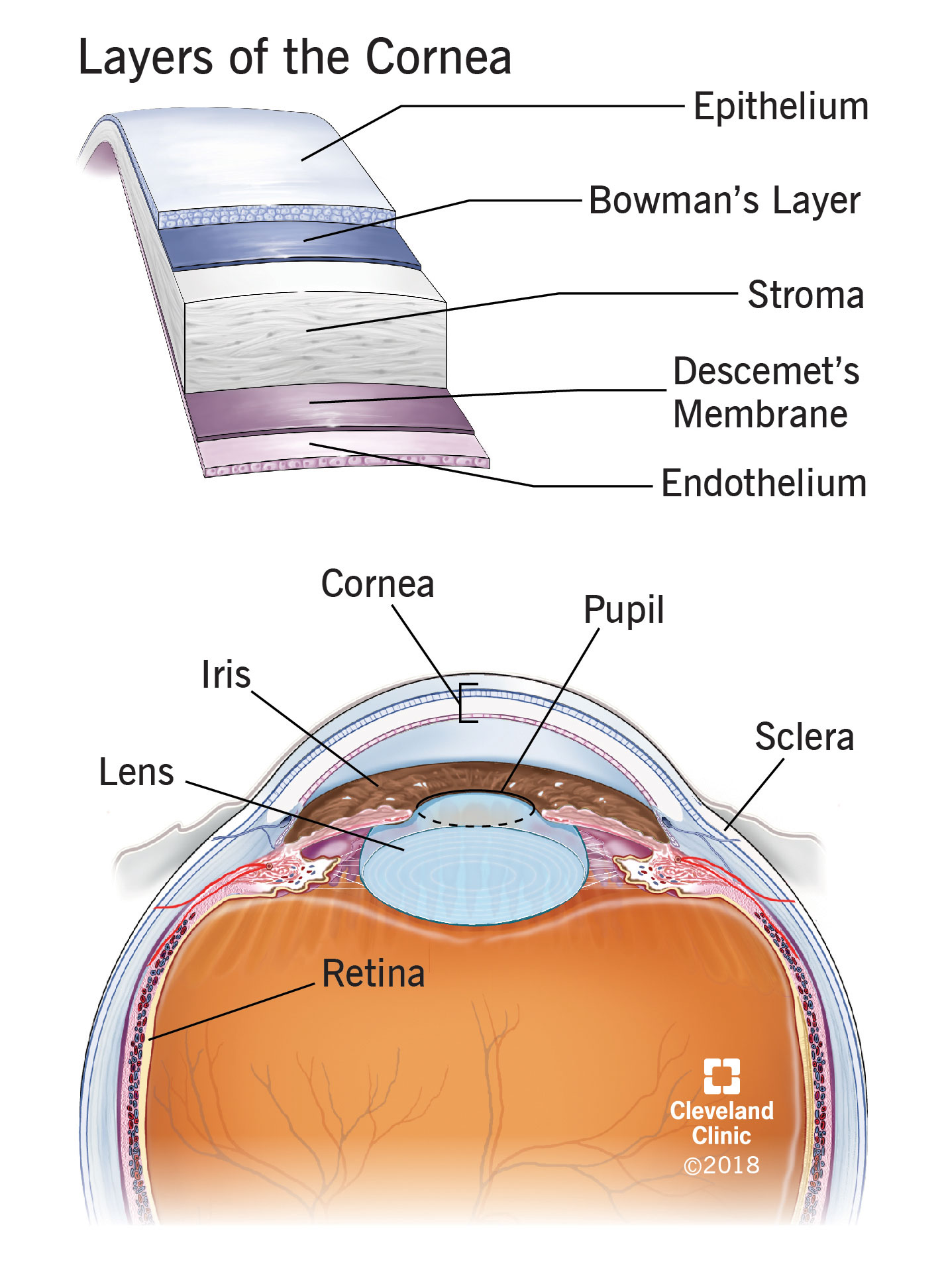
Keratoconus is a progressive eye condition that affects the cornea, the clear front surface of the eye. Instead of maintaining its normal rounded, dome-like shape, the cornea becomes thinner and gradually bulges outward into a cone-like shape. This irregular shape can change the way light enters the eye, causing blurred or distorted vision, astigmatism, glare and difficulty seeing clearly at night. Keratoconus is frequently found in both eyes, although the severity can differ substantially between them.


Illustration: A normal cornea compared with the cone-shaped cornea associated with Keratoconus. Medical illustration courtesy of Cleveland Clinic and other eye-care sources.
Stephen Curry and Keratoconus: A Real-World Example
A well-known example of someone living with keratoconus is NBA star Stephen Curry. In 2019, Curry publicly discussed his experience with the condition after beginning to use contact lenses. NBA.com reported that Curry said he had long experienced problems with his eyes and had become accustomed to squinting. He described the improvement from contact lenses as feeling like “the whole world has opened up.”
More recently, Curry has spoken publicly about how he learned that his vision problems were related to keratoconus. A 2026 Healthline report says Curry was diagnosed after former Warriors general manager Bob Myers noticed him squinting while watching a game and encouraged him to have his eyes examined.
Stephen Curry has publicly discussed living with Keratoconus and using corrective contact lenses.
Curry’s story illustrates an important point: people can adapt to gradually changing vision and may not realize that what seems normal to them is actually abnormal.
In Curry’s case, contact lenses helped correct the optical distortion caused by his corneal shape. Contact lenses can improve vision, but they are different from treatments designed to slow or stop progression of Keratoconus.
What Are the Symptoms of Keratoconus?
Keratoconus symptoms can vary depending on the stage of the condition.
Common symptoms include:
Blurry vision
Distorted or wavy vision
Increasing or irregular astigmatism
Frequent changes in eyeglass prescriptions
Difficulty seeing at night
Halos around lights
Increased sensitivity to glare
Difficulty achieving clear vision with ordinary glasses
Eye irritation or discomfort in some patients
Early keratoconus can be difficult to recognize because the symptoms may initially resemble ordinary nearsightedness or astigmatism.
A rapidly changing prescription or worsening astigmatism deserves an eye examination, particularly when glasses no longer provide the same quality of vision.
What Causes Keratoconus?
The exact cause of Keratoconus is not completely understood. Research suggests that genetic, environmental and mechanical factors can contribute to the development or progression of the condition. Eye rubbing has been associated with Keratoconus, and certain allergic or inflammatory eye conditions can contribute to eye rubbing.
Keratoconus often begins during adolescence or young adulthood, although it can begin earlier or later. Younger patients may require particularly close monitoring because progression can be more rapid
How Is Keratoconus Diagnosed?
An eye-care professional can diagnose Keratoconus using a comprehensive eye examination and specialized measurements of the cornea.
Important diagnostic tests can include:

1. Corneal Topography
Corneal topography creates a detailed map of the curvature of the cornea. It can reveal areas where the cornea is becoming unusually steep or irregular.
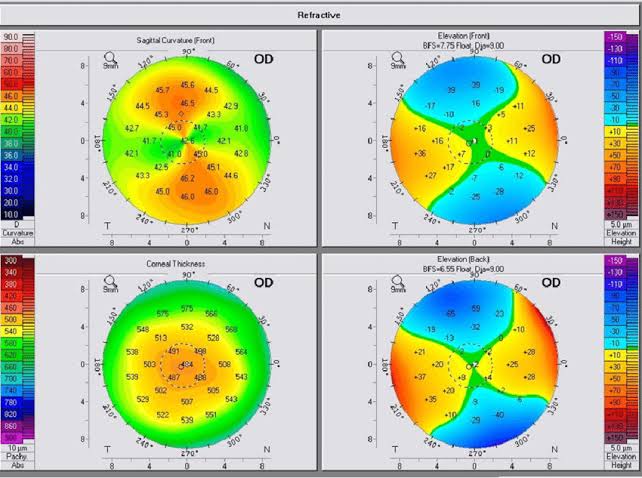
2. Corneal Tomography
Tomography provides additional information about the front and back surfaces of the cornea as well as corneal thickness.
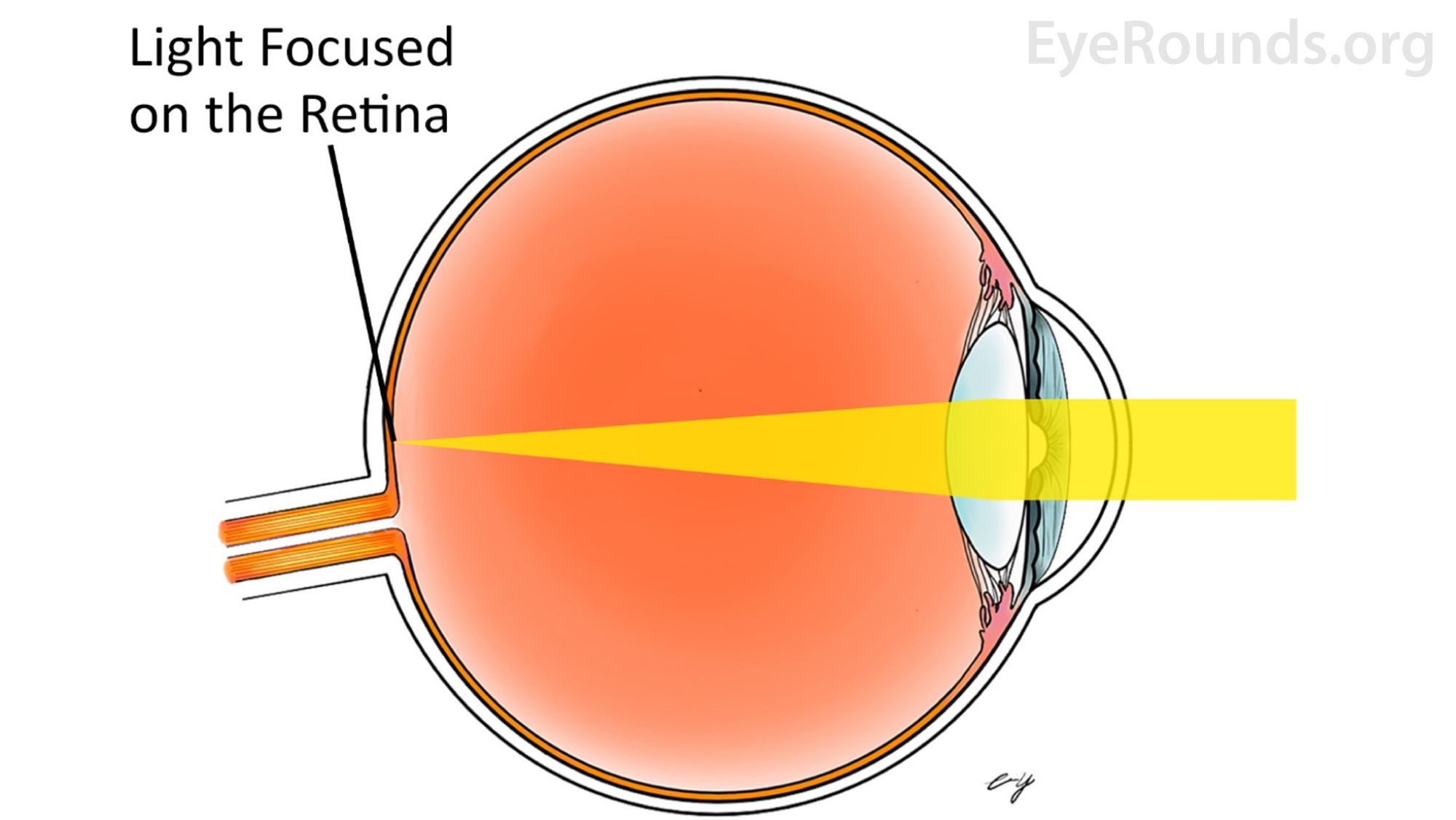
3. Refraction
An eye doctor evaluates the patient’s prescription to determine whether unusual or changing astigmatism may be present.
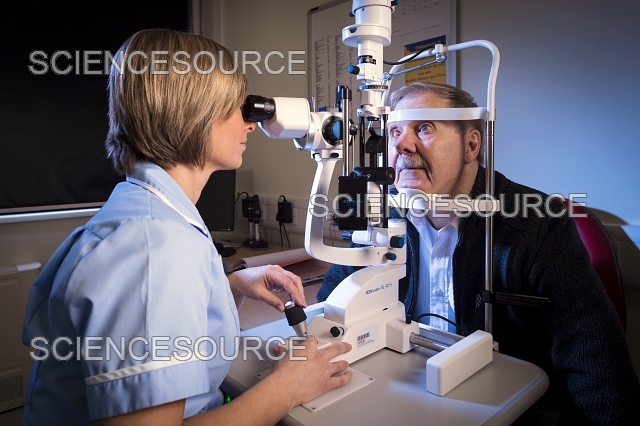
4. Slit-Lamp Examination
A slit lamp allows the doctor to examine the cornea and other structures of the eye under magnification. Early detection is important because treatment can address both vision correction and, when appropriate, disease progression.
How Is Keratoconus Treated?
There isn’t one treatment that is appropriate for every person with keratoconus. Treatment depends on the severity of the condition, whether it is progressing and how well the person’s vision can be corrected.

1. Glasses
In mild Keratoconus, glasses may provide useful vision correction, particularly when corneal irregularity is limited.

2. Specialty Contact Lenses
As the cornea becomes more irregular, conventional glasses may no longer provide satisfactory vision.
Eye-care professionals may prescribe specialty lenses such as:
Rigid gas-permeable (RGP) lenses
Hybrid lenses
Scleral lenses
Semi-scleral lenses
Other custom-designed specialty lenses
These lenses can create a more regular optical surface over the irregular cornea, improving vision for many patients.
This is particularly relevant to Curry’s story: his publicly discussed improvement came after he began using contact lenses to correct his vision.
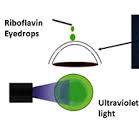
3. Corneal Cross-Linking
For progressive keratoconus, corneal collagen cross-linking (CXL) is an important disease-modifying treatment. The procedure uses riboflavin and ultraviolet-A light to create additional bonds between collagen fibers in the cornea. The goal is to strengthen the cornea and slow or halt further progression.
The FDA first approved a riboflavin/UVA cross-linking system for progressive keratoconus in 2016. In October 2025, the FDA also approved Epioxa HD/Epioxa for an epithelium-on corneal cross-linking treatment for keratoconus in adults and pediatric patients age 13 and older, when used with the specified O2n System and Boost Goggles.
Cross-linking is primarily intended to address progression. It is not simply a replacement for glasses or contact lenses, and patients may still need vision correction afterward.
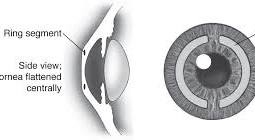
4. Corneal Ring Segments
Some patients with appropriate anatomy may be candidates for intrastromal corneal ring segments. These small implants are placed within the cornea to alter its shape and can sometimes improve vision or make contact-lens fitting easier.
5. Corneal Transplant
Advanced keratoconus can sometimes result in significant corneal scarring or vision that cannot be adequately corrected with contact lenses. In those situations, a corneal transplant may be considered. Surgical options can include procedures such as deep anterior lamellar keratoplasty (DALK) or penetrating keratoplasty (PK), depending on the patient’s circumstances.
Fortunately, not everyone with keratoconus progresses to this stage.
Can Keratoconus Be Cured?
Keratoconus is generally considered a chronic eye condition rather than something that can simply be “cured” with glasses or contact lenses.
However, modern treatment provides several ways to manage vision and address progression.
Glasses/contact lenses: primarily improve vision.
Corneal cross-linking: intended to stabilize progressive keratoconus.
Corneal ring segments: may improve corneal shape and contact-lens tolerance in selected patients.
Corneal transplantation: may be considered in advanced disease.
The appropriate treatment depends on the individual patient’s corneal measurements, visual needs and evidence of progression.
Does Keratoconus Get Worse?
Keratoconus can be progressive, particularly earlier in life. However, the rate of progression varies considerably between individuals. This is why regular examinations and corneal imaging can be important. An eye doctor can compare measurements over time to determine whether the cornea is changing. If progression is documented, corneal cross-linking may be considered to help stabilize the cornea.
Can You Prevent Keratoconus From Getting Worse?
There is no guaranteed way to prevent keratoconus from developing. However, people with keratoconus are commonly advised to avoid vigorous eye rubbing. Treating underlying allergic or inflammatory eye conditions can also help reduce the urge to rub the eyes. Anyone experiencing persistent itching should discuss appropriate treatment with an eye-care professional rather than repeatedly rubbing the eyes.
When Should You See an Eye Doctor?
Consider scheduling a comprehensive eye examination if you experience:
Rapidly changing vision
Frequent prescription changes
Increasing astigmatism
Blurry or distorted vision despite new glasses
Difficulty seeing at night
Halos or glare around lights
Significant differences between the two eyes
Persistent eye rubbing or allergies
Early diagnosis can allow an eye-care professional to monitor the cornea and determine whether treatment is necessary.

Stephen Curry’s Keratoconus Story in Summary
Stephen Curry’s experience helped bring greater public attention to keratoconus.
In 2019, Curry publicly explained that contact lenses significantly improved his vision after he had spent years accustomed to squinting. His story also demonstrates an important distinction: Correcting vision is not necessarily the same as treating the underlying disease. Specialty contact lenses can help someone see more clearly, while treatments such as corneal cross-linking may be used when the goal is to address progression of keratoconus.
References:
Discover more from ReviewFitHealth.com
Subscribe to get the latest posts sent to your email.