

Learning how to lower saturated fats and added sugars is an important step toward healthier eating. Many everyday foods, including pastries, fried foods, processed meats, sugary drinks, and desserts, can contain high amounts of saturated fat or added sugar. The good news is that you do not need to give up all your favorite foods to improve your diet. Making simple food swaps, choosing more whole foods, and reading nutrition labels can help you reduce saturated fats and added sugars while still enjoying delicious meals.
1. Understand Saturated Fats and Added Sugars
Before making changes, it helps to understand what these ingredients are and where they are commonly found.

What Are Saturated Fats?
Saturated fats are found in foods such as butter, fatty cuts of meat, bacon, sausages, cream, cheese, and some baked goods. Certain tropical oils, including coconut and palm oil, are also high in saturated fat. Eating too much saturated fat can raise LDL cholesterol, often called bad cholesterol, which may increase the risk of heart disease. To improve your diet, replace some foods high in saturated fat with sources of unsaturated fat, such as olive oil, nuts, seeds, and avocado.

What Are Added Sugars?
Added sugars are sugars added to foods and drinks during preparation or manufacturing. Common sources include soft drinks, sweetened coffee, candy, cookies, cakes, sweetened cereals, and flavored yogurts. Consuming too much added sugar can make it harder to maintain a balanced diet and may contribute to excess calorie intake and tooth decay. Choosing water instead of sugary drinks and eating more whole fruit instead of sweets are simple ways to reduce added sugar.
2. Replace Butter With Healthier Fats
Butter is high in saturated fat. You can lower your intake by using olive oil or other liquid vegetable oils more often when cooking.
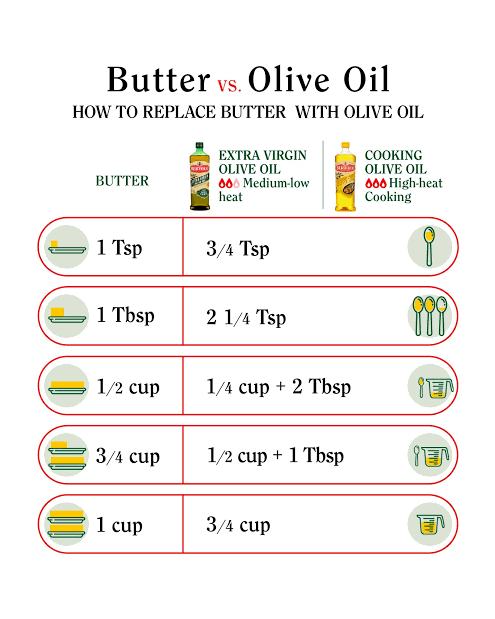
Try these simple swaps:
- Use olive oil instead of butter when sautéing vegetables.
- Choose olive oil-based dressings instead of creamy dressings.
- Spread mashed avocado on whole-grain toast.
- Use unsweetened applesauce in some baking recipes when appropriate.
You do not need to eliminate butter completely. Using it less often and choosing unsaturated fats more frequently can make a meaningful difference.
3. Choose Lean Protein Sources

Some protein-rich foods contain significant amounts of saturated fat, especially fatty cuts of beef, processed meats, and certain sausages.
Choose these options more often:
- Fish, including salmon and sardines.
- Skinless chicken or turkey.
- Beans, lentils, and chickpeas.
- Tofu and other soy-based proteins.
- Eggs as part of a balanced diet.
- Lean cuts of meat in appropriate portions.
Plant-based proteins such as beans and lentils are particularly useful because they provide fiber and generally contain little saturated fat. Try replacing a meat-based dinner with lentil soup, bean chili, or a chickpea salad once or twice a week.
4. Cut Back on Sugary Drinks

Sugary beverages are one of the easiest sources of added sugar to overlook. Regular soda, sweetened tea, energy drinks, sports drinks, and many specialty coffee beverages can contain substantial amounts.
Try these alternatives:
- Drink plain or sparkling water.
- Add lemon, cucumber, mint, or berries to water.
- Choose unsweetened tea or coffee.
- Gradually reduce the sugar or syrup in coffee drinks.
- Choose water more often when eating out.
Check the serving size on beverage labels. A large bottle may contain more than one serving, so the total sugar can be higher than expected.
5. Read Nutrition Labels Carefully
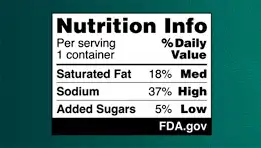
Nutrition labels can help you identify foods that are lower in saturated fat and added sugars.
When shopping, check:
Saturated fat: Compare similar products and choose options with less saturated fat per serving.
Added sugars: Look for the line labeled “Added Sugars” on the Nutrition Facts label. This is especially helpful when comparing cereals, yogurt, sauces, and packaged snacks.
Serving size: Remember that the listed amounts apply to the stated serving size.
Ingredients also matter. Sugar may appear under names such as corn syrup, dextrose, honey, molasses, or fruit juice concentrate when used as an added sweetener. A food does not automatically become unhealthy because it contains some saturated fat or sugar. Consider the overall nutrition profile, portion size, and how often you eat it.
6. Choose Whole Fruit Instead of Sugary Snacks

Whole fruit provides natural sugars along with fiber, water, vitamins, and minerals. Unlike many sweets, whole fruit can help you feel satisfied between meals.
Easy snack ideas include:
- Apple slices with a small serving of unsalted nuts.
- Fresh berries with plain yogurt.
- A banana with peanut butter that contains little or no added sugar.
- Orange slices with a handful of almonds.
- Pear slices with cottage cheese.
Whole fruit is generally a better everyday choice than candy, cookies, or fruit-flavored sweets. Fruit juice and smoothies can still contain substantial amounts of sugar, even when no sugar is added, so pay attention to portions.
7. Choose Low-Fat or Reduced-Fat Dairy Options When Appropriate

Full-fat dairy products, including whole milk, cream, and some cheeses, can contribute to saturated fat intake.
Consider these alternatives:
- Low-fat or nonfat milk.
- Plain, unsweetened low-fat yogurt.
- Reduced-fat cheese, where suitable.
- Unsweetened, calcium-fortified soy milk.
Be careful with flavored dairy products. Some low-fat yogurts contain considerable added sugar, so compare labels and choose plain or unsweetened varieties more often. You can add cinnamon, berries, or sliced fruit to plain yogurt for natural sweetness and extra flavor.
8. Limit Processed Meats and Fried Foods

Bacon, sausages, fatty deli meats, fried chicken, and many fast-food meals can be high in saturated fat. Processed meats may also contain high amounts of sodium.
You can make healthier choices by:
- Grilling, baking, steaming, or roasting instead of deep-frying.
- Removing the skin from poultry when appropriate.
- Choosing grilled fish or chicken instead of fried options.
- Replacing bacon or sausage with beans, eggs, or other less processed proteins.
- Preparing more meals at home.
You do not have to change every meal at once. Start by changing one regular meal or ordering a healthier alternative when dining out.
9. Reduce Sugar in Breakfast Foods

Breakfast cereals, pastries, sweetened instant oatmeal, and flavored yogurts can contain substantial added sugar.
Try these breakfast ideas:
- Oatmeal with berries and cinnamon.
- Plain yogurt with fruit and nuts.
- Whole-grain toast with avocado and an egg.
- Unsweetened whole-grain cereal with low-fat milk.
- Overnight oats made with unsweetened milk and fresh fruit.
If you enjoy sweetened cereal or oatmeal, gradually reduce the amount of sugar you add. Mixing a sweetened cereal with an unsweetened variety can also help you adjust.
10. Make Smart Cooking and Baking Substitutions

You can often reduce saturated fat and added sugar in homemade recipes without sacrificing all the flavor.
Consider these ideas:
- Replace some butter with olive or canola oil in suitable recipes.
- Use mashed banana or unsweetened applesauce to replace some added sugar in certain baked goods.
- Reduce the sugar in a recipe gradually, where the recipe allows.
- Add vanilla, cinnamon, nutmeg, or citrus zest for flavor.
- Use herbs, spices, garlic, and lemon juice to make vegetables delicious without relying on heavy sauces.
Keep in mind that baking ingredients perform different functions. Substitutions may change the texture, moisture, or structure of a recipe, so use tested substitutions when possible.
11. Plan Balanced Meals Ahead of Time
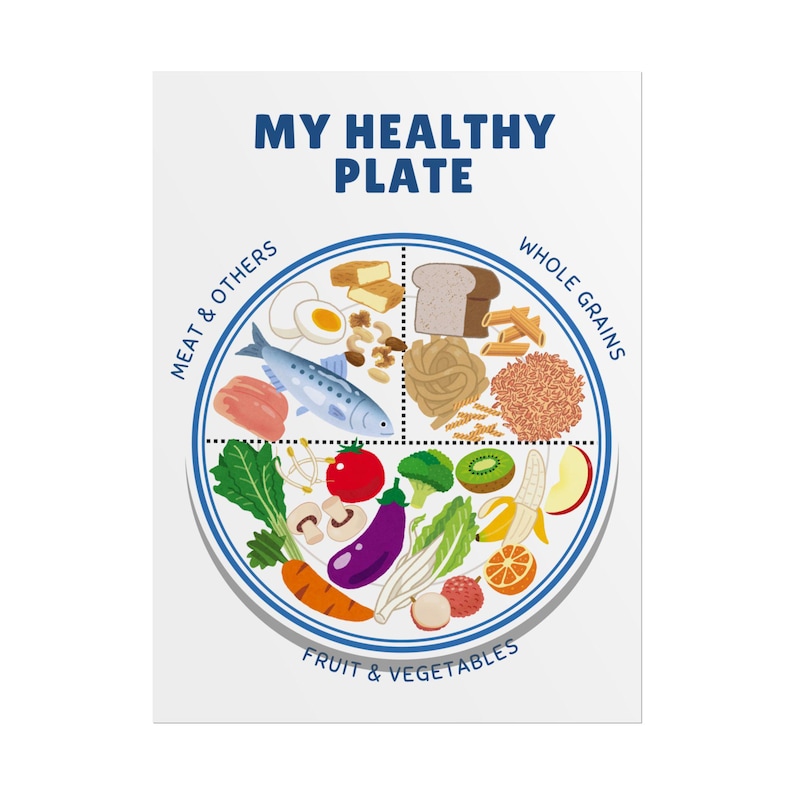
Meal planning can help you avoid relying on convenience foods that may contain high amounts of saturated fat, added sugar, or sodium.
A simple balanced plate can include:
- Half the plate filled with vegetables and fruit.
- One-quarter with lean protein, such as fish, chicken, tofu, or beans.
- One-quarter with whole grains, such as brown rice, oats, or whole-wheat pasta.
- A moderate amount of healthy fat from foods such as nuts, seeds, or olive oil.
Sample One-Day Healthy Eating Plan
Breakfast: Oatmeal with berries, cinnamon, and unsalted nuts.
Lunch: A whole-grain wrap filled with grilled chicken or chickpeas, lettuce, tomatoes, and hummus.
Snack: An apple and a small handful of almonds.
Dinner: Baked fish or tofu with brown rice and roasted vegetables.
Drink: Water, sparkling water, or unsweetened tea throughout the day.
This is an example, not a prescribed meal plan. Adjust portions and ingredients to meet your nutritional needs, preferences, and any advice from your healthcare professional.
12. Make Changes Gradually and Stay Consistent
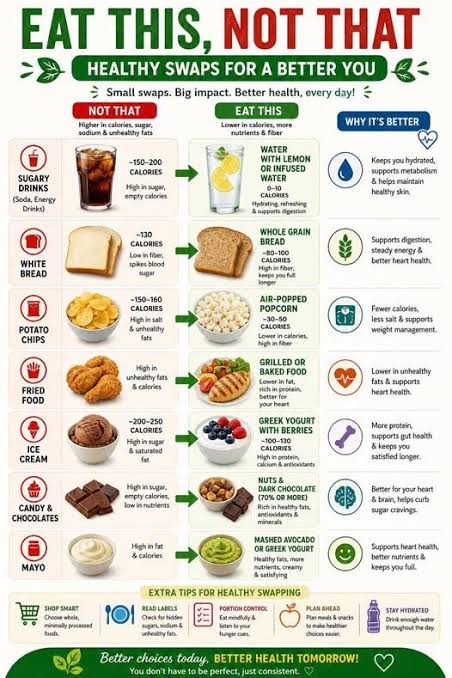
Healthy eating is easier to maintain when you focus on small, realistic improvements instead of trying to change everything overnight.
Start with a few achievable goals:
- Replace one sugary drink a day with water.
- Eat fruit instead of candy for one snack.
- Use olive oil instead of butter for some cooking.
- Choose plain yogurt instead of a sweetened variety.
- Prepare one extra home-cooked meal each week.
- Compare nutrition labels before buying packaged foods.
Track your progress in a simple food journal if it helps. Pay attention to your habits rather than aiming for perfection. Consistency matters more than making every meal perfect.
Foods to Eat More Often and Foods to Limit
| Choose more often | Limit or have less often |
|---|---|
| Olive and canola oil | Butter and cream |
| Nuts and seeds | High-fat processed meats |
| Beans and lentils | Sausages and fatty meats |
| Fish and lean poultry | Frequent deep-fried foods |
| Fresh or frozen vegetables | Sugary sauces and desserts |
| Whole fruit | Candy and pastries |
| Plain, unsweetened yogurt | Sweetened yogurt |
| Water and unsweetened tea | Sugary drinks |
| Oats and whole grains | Sugar-heavy breakfast cereals |
The goal is not to label foods as completely good or bad. It is to make lower-saturated-fat and lower-added-sugar choices more often.
How Much Saturated Fat and Added Sugar Should You Have?
For general guidance, the 2020–2025 Dietary Guidelines for Americans recommend limiting saturated fat to less than 10% of daily calories for people ages two and older. The American Heart Association recommends a lower limit of around 6% of calories from saturated fat for people who need to lower LDL cholesterol.
For added sugars, the Dietary Guidelines recommend keeping intake below 10% of daily calories for people ages two and older. The American Heart Association suggests lower limits for most adults: no more than 6 teaspoons per day for women and 9 teaspoons per day for men.
Individual needs vary, and these guidelines are not intended to replace personalized medical advice. People with high cholesterol, diabetes, or other health conditions may benefit from discussing their nutrition goals with a registered dietitian or healthcare professional.
Discover more from ReviewFitHealth.com
Subscribe to get the latest posts sent to your email.