

How Shopping and Buying Are Influenced by Income and Social Class
When people shop, their decisions are influenced by much more than personal preferences. Two of the biggest factors are income and social class. These shape what people can afford, the brands they trust, the products they value, and even where they choose to shop.
For health and fitness enthusiasts, understanding these influences can help make smarter purchasing decisions and avoid spending based solely on social pressure.
Understanding Consumer Buying Behavior
Consumer buying behavior refers to the process people go through when selecting, purchasing, and using products or services. This behavior is influenced by several factors, including:
- Income level
- Social class
- Lifestyle
- Personal values
- Culture
- Family influence
- Marketing and advertising
Among these, income and social class have one of the strongest impacts on shopping habits.
How Social Class Affects Buying Behavior
Social class is based on factors such as education, occupation, income, and lifestyle. People within similar social classes often share comparable purchasing habits.

Upper Class
Consumers in this group tend to:
- Prefer premium brands
- Purchase luxury fitness equipment
- Shop for exclusive wellness experiences
- Value quality over price
They often view purchases as investments in lifestyle and personal well-being.
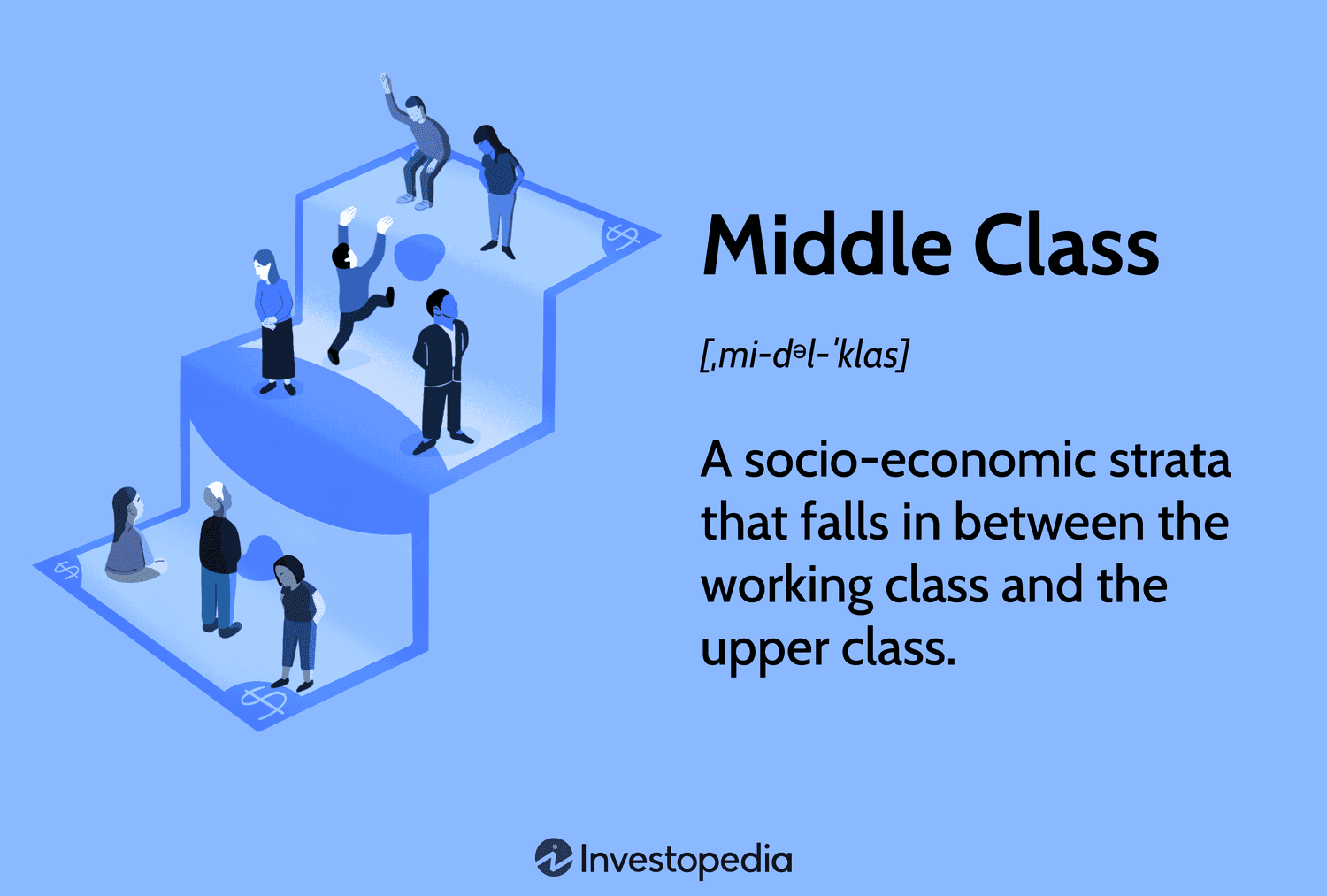
Middle Class
The middle class typically seeks a balance between quality and affordability.
Their shopping habits often include:
- Comparing product reviews
- Waiting for seasonal sales
- Choosing trusted brands
- Looking for long-term value
This group is often the largest market for fitness products and health services.

Working Class
Working-class consumers usually prioritize practical purchases.
They often:
- Buy essential products first
- Search for discounts
- Compare prices carefully
- Choose durable products that last longer
Health and fitness remain important, but affordability plays a larger role in decision-making.

The Influence of Social Status
Many purchases are driven by the desire to fit into a particular social group.
Examples include:
- Wearing branded athletic clothing
- Buying the latest smartwatch
- Joining premium gyms
- Purchasing popular supplements recommended by influencers
Sometimes these purchases are made because they genuinely improve health. Other times, they are influenced by social image rather than actual need.
Marketing and Consumer Perception
Companies understand how income and social class influence buying behavior.
They often create different product lines for different income groups.
For example:
- Budget-friendly protein powders
- Mid-range fitness trackers
- Premium smart exercise equipment
Advertisements also target specific lifestyles, encouraging consumers to associate certain products with success, health, or prestige.
Smart Shopping Tips for Health-Conscious Consumers
Whether your income is high or modest, making informed purchasing decisions can improve both your health and your finances.
Here are a few practical tips:
- Set a realistic health budget.
- Focus on product quality rather than brand names.
- Read independent reviews before purchasing.
- Compare prices across different retailers.
- Avoid buying products simply because they are trendy.
- Invest in products that support your long-term fitness goals.
Why This Matters
Good health does not always require expensive products. Many affordable foods, home workouts, and basic fitness equipment can deliver excellent results when used consistently.
Understanding how income and social class influence shopping habits helps consumers recognize emotional buying triggers and make choices based on value rather than social pressure.
Final Thoughts
Income and social class significantly shape consumer buying behavior. They influence what people purchase, how often they shop, and the brands they choose. While financial circumstances naturally affect purchasing decisions, making informed choices is far more important than following trends or seeking social approval.
For anyone pursuing a healthier lifestyle, the smartest investment is not always the most expensive one. Careful planning, informed decision-making, and focusing on long-term health goals can lead to better outcomes for both your well-being and your budget.
Discover more from ReviewFitHealth.com
Subscribe to get the latest posts sent to your email.