


Heart disease is a serious health concern for people of South Asian ancestry, including those from India, Pakistan, Bangladesh, Nepal and Sri Lanka. Research has found that South Asian adults can develop cardiovascular risk factors earlier in life, making early prevention and regular health screening especially important [American Heart Association]. The good news is that many important heart-health risk factors can be improved. Eating a healthier version of traditional Indian food, exercising regularly, controlling blood pressure and cholesterol, managing blood sugar, avoiding tobacco and getting appropriate medical screening can all help reduce cardiovascular risk.This guide explains practical steps Asian Indians can take to protect their heart without giving up the foods and traditions they love.

Why Are Asian Indians at Higher Risk for Heart Disease?
South Asian ancestry itself is considered a risk-enhancing factor for cardiovascular disease. The American Heart Association identifies South Asian ancestry among factors that should be considered when evaluating heart-attack risk. Recent research is particularly concerning because cardiovascular risk factors may appear at younger ages. A 2026 American Heart Association report on U.S. South Asian adults found higher rates of prediabetes, type 2 diabetes and high blood pressure by middle age compared with several other racial and ethnic group.
Risk is influenced by a combination of factors, including:
- Family history and genetics
- High blood pressure
- Diabetes and pre-diabetes
- High LDL cholesterol and other abnormal cholesterol levels
- Excess abdominal fat
- Physical inactivity
- Smoking or tobacco use
- Diet high in refined carbohydrates, saturated fat, sodium or added sugar
- Stress and other social factors

Importantly, looking healthy or having a normal body weight does not necessarily mean cardiovascular risk is low.
- Start With a Heart-Healthy Indian Diet

You do not have to stop eating Indian food to protect your heart. In fact, many traditional South Asian foods—including lentils, beans, vegetables, whole grains, fruits, nuts and spices—fit naturally into a heart-healthy eating pattern. The biggest opportunity is often how foods are prepared and what portions are eaten.
Choose more:
- Dal and other lentils
- Rajma, chana and other beans
- Vegetables and leafy greens
- Fresh fruit
- Whole-wheat roti
- Brown rice
- Millets such as ragi and bajra
- Oats and other whole grains
- Unsalted nuts and seeds
- Fish and lean poultry, if you eat animal products
Limit:
- Deep-fried samosas, pakoras and puris
- Large portions of white rice
- Refined-flour foods made with maida
- Sugary desserts and beverages
- Processed meats
- Excessively salty foods
- Foods high in saturated fat
The American Heart Association recommends increasing whole grains and reducing deep-fried foods and saturated-fat-rich ingredients as part of cardiovascular risk reduction among South Asian adults.
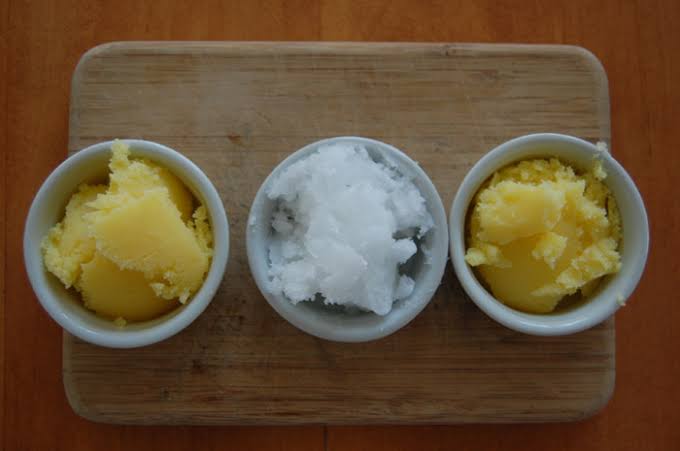
- Be Careful With Ghee, Butter and Coconut Oil
Traditional Indian cooking can contain healthy ingredients, but some dishes can also contain substantial amounts of saturated fat.You don’t necessarily need to eliminate ghee completely. Instead, pay attention to frequency and portion size. For everyday cooking, consider oils that are lower in saturated fat. Avoid trans fats and partially hydrogenated oils. For example, instead of paneer butter masala loaded with butter and cream, try vegetable-based curry with a smaller amount of paneer or a plant-based protein. Instead of deepfried snacks, try roasted, baked, grilled or air-fried versions. Recent South Asian cardiometabolic guidance specifically recommends avoiding trans fats such limiting high saturated-fat cooking practices.
3. Reduce Refined Carbohydrates
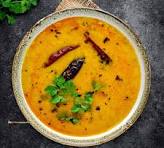
One important dietary change for many Asian Indians is reducing excessive consumption of refined carbohydrates. White rice, white bread, maida-based foods and sweets can contribute substantially to carbohydrate intake, particularly when portions are large.Try these simple substitutions:
| Instead of | Try |
|---|---|
| Large serving of white rice | Smaller serving + vegetables + dal |
| Maida roti/paratha | Whole-wheat roti |
| White bread | 100% whole-grain bread |
| Refined-flour snacks | Nuts, fruit or roasted chickpeas |
| Sugary chai | Unsweetened or lightly sweetened chai |
| Sweetened beverages | Water or unsweetened drinks |
Whole grains, legumes and vegetables also provide dietary fiber, which is an important part of a heart-healthy eating pattern.
4. Make Vegetables the Star of Your Plate
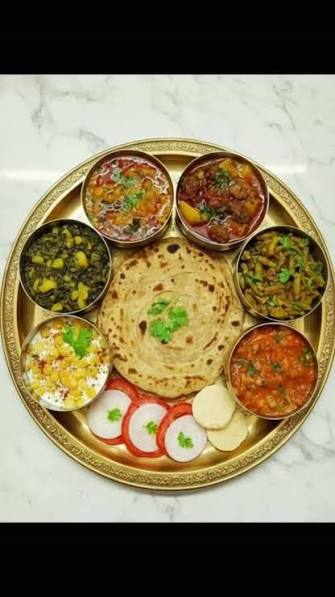
A simple way to improve an Indian meal is to increase the proportion of vegetables. Try making about half of your plate vegetables, with the remainder divided between protein-rich foods and whole-grain or other high-quality carbohydrate sources.
Good choices include:
- Palak
- Bhindi
- Gobi
- Baingan
- Lauki
- Tori
- Carrots
- Green beans
- Cabbage
- Tomatoes
- Peppers
- Broccoli
- Mixed vegetable sabzi
Vegetables can provide fiber, vitamins, minerals and other beneficial nutrients while helping you feel full.
5. Walk, Dance or Exercise for at Least 150 Minutes a Week

Exercise doesn’t have to mean joining an expensive gym. Walking with family, dancing, cycling, swimming, yoga and other activities can all become part of a physically active lifestyle. South Asian cardiovascular health guidance recommends at least 150 minutes of moderate-intensity physical activity per week, with culturally relevant options such as brisk walking, dancing and yoga. A simple goal could be:30 minutes × 5 days per week.If 30 minutes seems difficult, start with 10-minute walks and gradually increase your activity.Strength training is also valuable. Include resistance exercises at least twice a week if appropriate for your health and fitness level.
6. Know Your Blood Pressure

High blood pressure often has no obvious symptoms. That means you cannot rely on how you feel to know whether your blood pressure is healthy. Ask your healthcare professional how frequently you should have your blood pressure checked. If you have high blood pressure, lifestyle changes and prescribed medication can help control it.Don’t stop blood-pressure medication because you feel well.
7. Check Blood Sugar and A1C
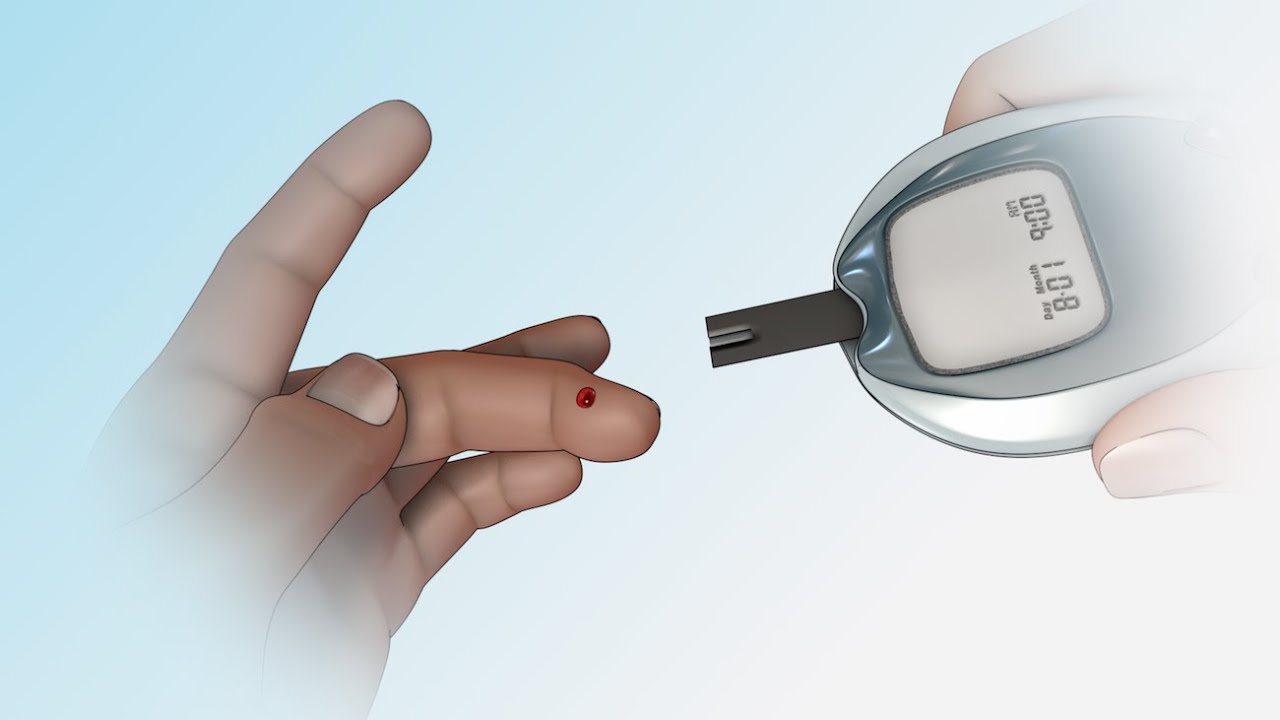
Diabetes and prediabetes are important cardiovascular risk factors. For South Asian adults, earlier attention to blood glucose may be particularly valuable because recent research has found that cardiometabolic risk factors can appear relatively early in adulthood.
Ask your healthcare professional whether you should have:
- Fasting glucose
- Hemoglobin A1C
- Cholesterol testing
- Blood pressure measurement
- Other cardiovascular risk assessments
If you have prediabetes, don’t assume it inevitably becomes diabetes. Weight management when appropriate, physical activity and dietary changes can make a meaningful difference.
8. Know Your Cholesterol Numbers
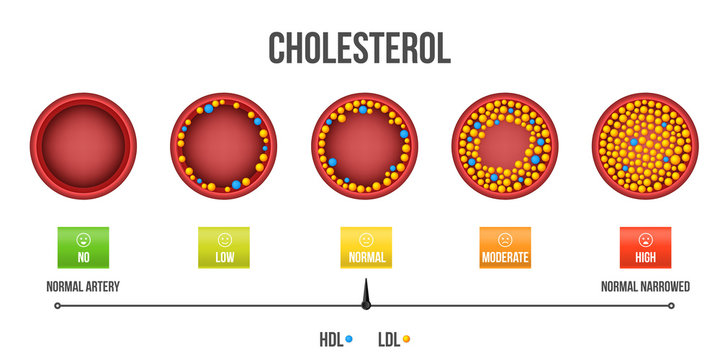
High LDL cholesterol can contribute to plaque buildup in the arteries. A heart-health discussion with your healthcare professional may include:
- LDL cholesterol
- HDL cholesterol
- Triglycerides
- Total cholesterol
- Overall cardiovascular risk
- Family history
For some people, additional tests or imaging may be appropriate. The decision should be individualized rather than based simply on ethnicity.South Asian ancestry is recognized as a cardiovascular risk-enhancing factor, which is one reason it is important to tell your doctor about your family background when discussing cardiovascular prevention.

9. Don’t Smoke or Use Tobacco
Smoking significantly increases cardiovascular risk. If you smoke cigarettes or use other tobacco products, quitting is one of the most important things you can do for your heart. This also applies to cultural forms of tobacco use. Talk with your healthcare professional about evidence-based smoking-cessation strategies if you need help quitting.
10. Know Your Family History
Family history matters. Tell your doctor if parents, siblings or other close relatives experienced:
- Heart attack at a relatively young age
- Stroke
- Coronary artery disease
- High cholesterol
- Diabetes
- High blood pressure
A strong family history may influence how aggressively your healthcare team approaches screening and prevention.
Discover more from ReviewFitHealth.com
Subscribe to get the latest posts sent to your email.