

Have you ever noticed that changing the clocks by just one hour can leave you feeling exhausted, moody, unfocused, or simply not like yourself? You’re not imagining it. Daylight Saving Time (DST) can have a surprisingly significant effect on your mind and body. Twice a year, millions of people adjust their clocks to accommodate Daylight Saving Time. While the change may seem minor, shifting our schedules can disrupt our body’s internal biological clock, also known as the circadian rhythm. From sleep disturbances and fatigue to changes in mood, concentration, and energy levels, the time change can affect more than just the number on your clock. Understanding how Daylight Saving Time affects your physical and mental health can help you prepare, protect your sleep, and support your overall well-being.
What Is Daylight Saving Time?
Daylight Saving Time is the practice of moving clocks forward one hour in the spring and moving them back one hour in the fall. In the United States:
- Spring: Clocks move forward one hour, resulting in one less hour of sleep.
- Fall: Clocks move backward one hour, giving us an additional hour on the clock.
Although the purpose is to make better use of daylight during certain months, the transition can temporarily interfere with the body’s natural sleep-wake cycle. Your body doesn’t automatically adjust simply because the clock changes.
How Daylight Saving Time Affects Your Brain
Your brain operates on an internal timing system that helps regulate sleep, hormones, body temperature, appetite, and alertness. This system is closely connected to the circadian rhythm, which responds primarily to light and darkness. When the clocks change, your daily schedule may suddenly become misaligned with your body’s internal clock. This can lead to several noticeable effects.

1. Brain Fog and Difficulty Concentrating
Have you ever felt like your brain was moving slower than usual after the time change? Sleep disruption can affect the brain’s ability to concentrate, process information, remember details, and make decisions.
You may experience:
- Difficulty focusing at work.
- Forgetfulness.
- Slower thinking.
- Trouble completing everyday tasks.
- Reduced motivation.
- Feeling mentally exhausted.
Even a relatively small disruption in sleep can affect how efficiently your brain functions.

2. Changes in Mood and Emotional Well-Being
Sleep and mental health are closely connected. When your sleep schedule is disrupted, you may become more irritable, emotionally sensitive, anxious, or overwhelmed. Some people notice:
- Increased irritability.
- Mood swings.
- Lower motivation.
- Feeling emotionally drained.
- Increased stress.
- Difficulty managing everyday frustrations.
People who already experience mood disorders or seasonal changes in mood may be particularly sensitive to disruptions in their sleep and light exposure.
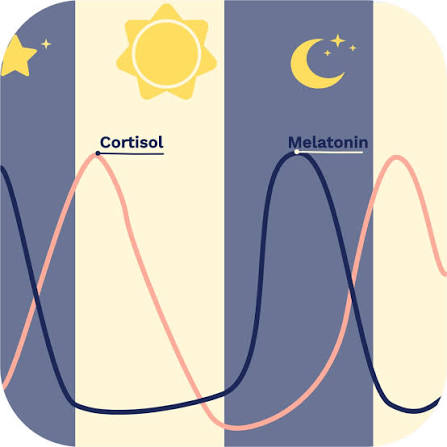
3. Changes in Melatonin and Cortisol
Two important hormones involved in your daily biological rhythm are melatonin and cortisol. Melatonin helps signal to your body that it is time to prepare for sleep. Darkness naturally encourages its release. Cortisol helps regulate alertness, metabolism, and the body’s response to stress. Its levels normally follow a daily rhythm. When daylight patterns and sleep schedules shift, the timing of these hormonal signals can become temporarily misaligned. This may make it harder to fall asleep at your usual bedtime or feel fully awake in the morning.
How Daylight Saving Time Affects Your Body
The effects of changing the clocks aren’t limited to your brain. Your entire body follows a biological schedule.
1. Sleep Problems and Insomnia
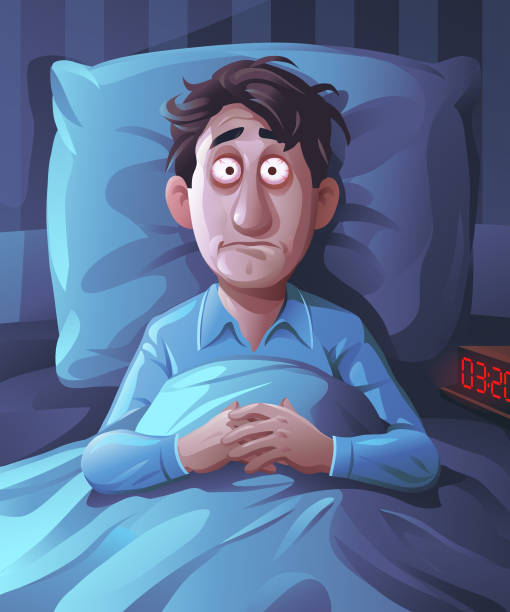
One of the most common effects of Daylight Saving Time is disrupted sleep. When clocks move forward in spring, you may feel tired earlier in the evening but still need to wake up at your regular time. When clocks move backward in fall, you may find yourself waking earlier than usual.
Sleep-related symptoms may include:
- Difficulty falling asleep.
- Waking up during the night.
- Feeling tired in the morning.
- Daytime sleepiness.
- Reduced sleep quality.
- Difficulty maintaining a consistent bedtime.

2. Increased Fatigue and Low Energy
Your body relies on consistent sleep patterns to restore energy and support normal functioning. When your sleep schedule becomes disrupted, you may feel physically drained. Even ordinary activities such as grocery shopping, exercising, working, or taking care of household responsibilities may feel more exhausting.

3. Changes in Appetite and Hunger
Your circadian rhythm also helps regulate hunger and metabolism. When your sleep schedule changes, the timing of hunger signals may change as well. You may notice:
- Feeling hungry at unusual times.
- Increased cravings for sugary foods.
- Reaching for more caffeine.
- Eating later in the evening.
- Changes in your normal meal schedule.
Maintaining regular meal times can help reinforce your body’s daily routine.

4. Digestive Discomfort
Your digestive system also follows a daily rhythm. Changes in sleep, meal timing, and daily routines may temporarily affect digestion. Some people notice changes in bowel habits, appetite, or digestive comfort after the time change.

5. Heart Health and Physical Stress
Research has raised concerns about a possible short-term increase in cardiovascular events following the spring transition to Daylight Saving Time. Sleep disruption, changes in circadian timing, and stress on the body may contribute. This does not mean everyone is at risk, but it highlights why consistent sleep and healthy routines are important. Anyone experiencing chest pain, shortness of breath, or other potentially serious symptoms should seek immediate medical attention.
Moving the clock backward gives you an additional hour on the clock, but it doesn’t necessarily mean better sleep.
You may:
- Wake up earlier than intended.
- Feel sleepy earlier in the evening.
- Experience changes in your morning routine.
- Have difficulty adjusting to darker afternoons.
Both transitions can temporarily disrupt your normal biological rhythm.
10 Ways to Help Your Mind and Body Adjust to Daylight Saving Time
The good news is that there are practical ways to make the transition easier.

1. Gradually Adjust Your Bedtime
Start shifting your bedtime by 10–15 minutes over several days before the clock change. This gives your body an opportunity to adjust gradually.

2. Get Natural Morning Sunlight
Morning sunlight helps regulate your circadian rhythm. Try spending 15–30 minutes outside after waking, when practical. Natural light helps signal to your brain that it is time to be awake.

3. Maintain a Consistent Sleep Schedule
Go to bed and wake up at approximately the same time every day, including weekends. Consistency helps reinforce your body’s internal clock.

4. Reduce Caffeine Later in the Day
Caffeine can interfere with your ability to fall asleep. Consider avoiding coffee, energy drinks, and other caffeinated beverages in the afternoon and evening.

5. Limit Screen Time Before Bed
Phones, tablets, and televisions can keep your mind stimulated. Create a relaxing nighttime routine and reduce bright screen exposure before bedtime.

6. Exercise Regularly
Physical activity supports sleep quality, mood, and overall health. Walking, stretching, yoga, and other moderate activities can help your body maintain a healthy routine.

7. Eat Meals at Consistent Times
Regular meal schedules can help reinforce your body’s daily rhythm. Try to avoid large meals immediately before bedtime.

8. Stay Hydrated
Dehydration can contribute to fatigue and headaches. Drink enough water throughout the day to support normal bodily functions.
9. Create a Relaxing Sleep Environment
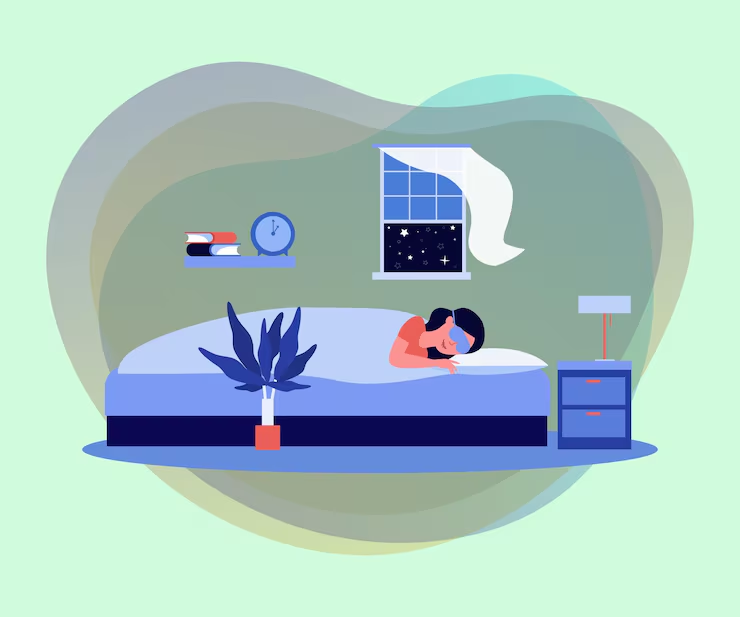
Make your bedroom comfortable, cool, dark, and quiet. A consistent sleep environment can help improve sleep quality.

10. Give Yourself Time to Adjust
Don’t expect your body to adapt overnight. Be patient with yourself, particularly during the first several days after the time change.
How Long Does It Take Your Body to Adjust to Daylight Saving Time?
There is no universal adjustment period. Some people adapt within a few days, while others may need a week or longer to feel completely back to normal.
Factors that can influence adjustment include:
- Your regular sleep schedule.
- Your age.
- Your overall health.
- Your exposure to natural sunlight.
- Your work schedule.
- Existing sleep difficulties.
If sleep problems, significant fatigue, or mood changes continue, consider speaking with a healthcare professional.
Daylight Saving Time may only change the clock by one hour, but your body can feel the difference.Your brain, hormones, sleep patterns, metabolism, and mood all depend on a carefully coordinated internal biological rhythm.If you feel unusually tired, irritable, unfocused, or out of sync after changing the clocks, give yourself permission to slow down and prioritize rest.Get outside in the morning, maintain a consistent bedtime, eat nourishing meals, stay hydrated, and allow your body time to adjust. Sometimes, taking care of your health starts with something as simple as getting enough sleep.
Disclaimer: This article is for educational purposes only and is not intended to replace professional medical advice, diagnosis, or treatment.
Discover more from ReviewFitHealth.com
Subscribe to get the latest posts sent to your email.